Understanding Phantom Limb Pain
Phantom limb pain (PLP) is a common and often distressing condition experienced by people after limb amputation. Instead of just sensing the absence of a limb, many report sharp, burning, cramping, or shooting pains that feel as though they are coming from the missing limb. These sensations can persist for months or years and significantly affect quality of life, sleep, mood, and mobility.
Why does phantom limb pain happen?
PLP arises from complex changes in the nervous system. After an amputation, the brain and spinal cord undergo reorganization as they adapt to the loss of input from the missing limb. Nerve endings at the stump may form neuromas that send abnormal signals, and the brain may continue to expect sensory feedback from the missing limb. Psychological factors, such as stress and anxiety, can also amplify pain perception.
How Acupuncture May Help Phantom Limb Pain
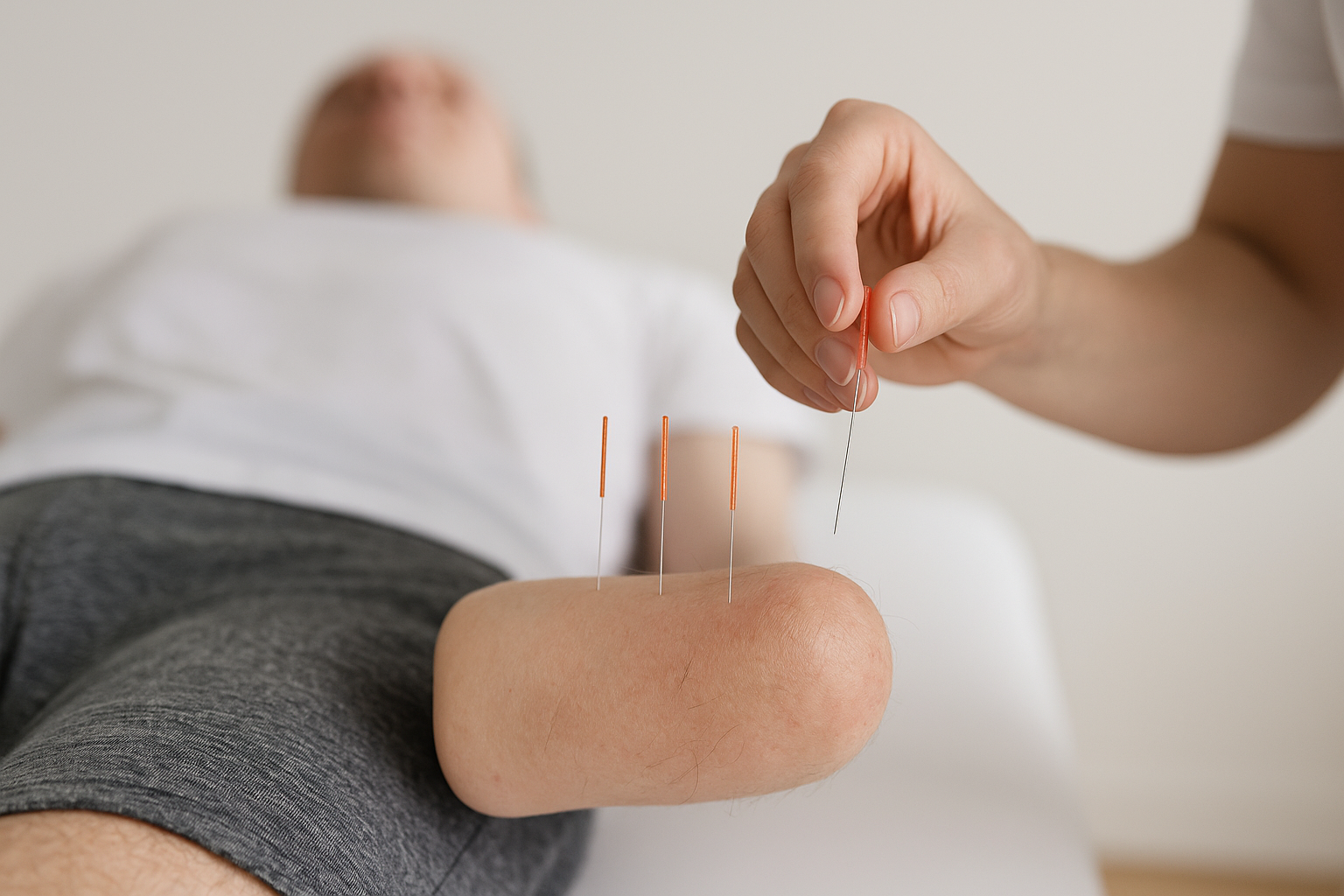
Acupuncture is a traditional Chinese medicine practice that involves inserting thin needles into specific points on the body. Modern research suggests several ways acupuncture may reduce PLP symptoms:
- Modulating pain pathways in the spinal cord and brain, reducing central sensitization.
- Stimulating the release of endogenous opioids (like endorphins) and neurotransmitters that dampen pain.
- Improving local circulation and reducing inflammation around the stump.
- Promoting relaxation and lowering stress, which can reduce pain perception.
Types of acupuncture used for PLP
- Body acupuncture: Needles are placed on points along the body, often on the opposite limb or along related meridians to influence central pain processing.
- Auricular (ear) acupuncture: The ear maps to the whole body and can be used to target pain and emotional symptoms linked to PLP.
- Electroacupuncture: Mild electrical stimulation is applied through acupuncture needles to enhance analgesic effects, sometimes used for chronic neuropathic pain.
What the Research Says
Clinical evidence for acupuncture in PLP is growing but still mixed. Small randomized controlled trials and case series have reported reductions in pain intensity, decreased analgesic use, and improved quality of life with acupuncture. Mechanistic studies support its role in altering pain processing and reducing central sensitization.
However, larger, high-quality trials are limited. Variability in acupuncture styles, treatment duration, and patient characteristics makes it difficult to draw definitive conclusions. Many clinicians view acupuncture as a promising adjunct to conventional care rather than a guaranteed stand-alone cure.
What to Expect During an Acupuncture Session
Knowing what will happen can ease anxiety and help you get the most from sessions:
- Initial assessment: The practitioner will review your medical history, amputation details, pain pattern, medications, and goals.
- Treatment planning: Points may be selected locally (near the stump), contralaterally, or auricularly depending on your symptoms.
- Needling: Fine sterile needles are inserted and typically left in place for 20–40 minutes. You may feel a mild ache, tingling, warmth, or heaviness—this is often normal.
- Frequency: Many providers recommend 1–2 sessions per week for several weeks initially, then spacing out as symptoms improve.
Safety, Risks, and Side Effects
Acupuncture is generally safe when performed by a licensed, trained professional. Common mild side effects include brief soreness, minor bleeding, or bruising at needle sites. Less commonly, dizziness or fainting can occur, especially in people with anxiety or low blood pressure. Serious complications (e.g., infection, organ injury) are rare when standards for hygiene and needle use are followed.
Choosing a Practitioner
- Look for licensure or certification appropriate to your country or state.
- Choose a practitioner experienced with neuropathic pain and post-amputation care.
- Ask about the types of acupuncture they use, sterilization practices, and whether they coordinate care with your surgeon, prosthetist, or pain specialist.
Combining Acupuncture with Other Treatments
Acupuncture often works best as part of a comprehensive pain plan. It can be combined with medication management, physical therapy, mirror therapy, cognitive behavioral therapy, nerve blocks, or neuromodulation techniques. Communicate openly with your healthcare team to align treatments and avoid interactions.
Practical Tips for Getting Started
- Bring a list of current medications and health conditions to your first visit.
- Wear comfortable clothing to allow access to relevant areas of the body.
- Set realistic expectations: some people feel relief after one session, but most need a series of treatments.
- Track your pain with a diary to monitor changes and share progress with your provider.
Conclusion
Acupuncture is a low-risk, potentially helpful option for managing phantom limb pain. While evidence is still evolving, many patients report meaningful relief and improved coping when acupuncture is integrated into a broader pain management plan. If you’re considering acupuncture, work with a licensed practitioner and your healthcare team to create a safe, individualized approach.