What to Look for in the Best Microneedling Products
Microneedling can be a game-changer for improving the look of texture, fine lines, acne scars, and overall radiance—but the results depend heavily on the products you choose. The best microneedling products are those that match your skin goals, prioritize safety, and support your barrier before and after treatment.
Needle length, material, and device type
If you’re microneedling at home, look for devices designed specifically for consumer use. Needle length matters: shorter needles are generally better for beginners and surface-level texture, while longer needles carry more risk and are best left to professionals.
- Needle length: Many at-home devices stay in the 0.1–0.3 mm range for gentler stimulation and product absorption support.
- Material: Titanium needles are known for durability; stainless steel can be very sharp but may dull sooner. Either can work well if the device is high quality and properly stored.
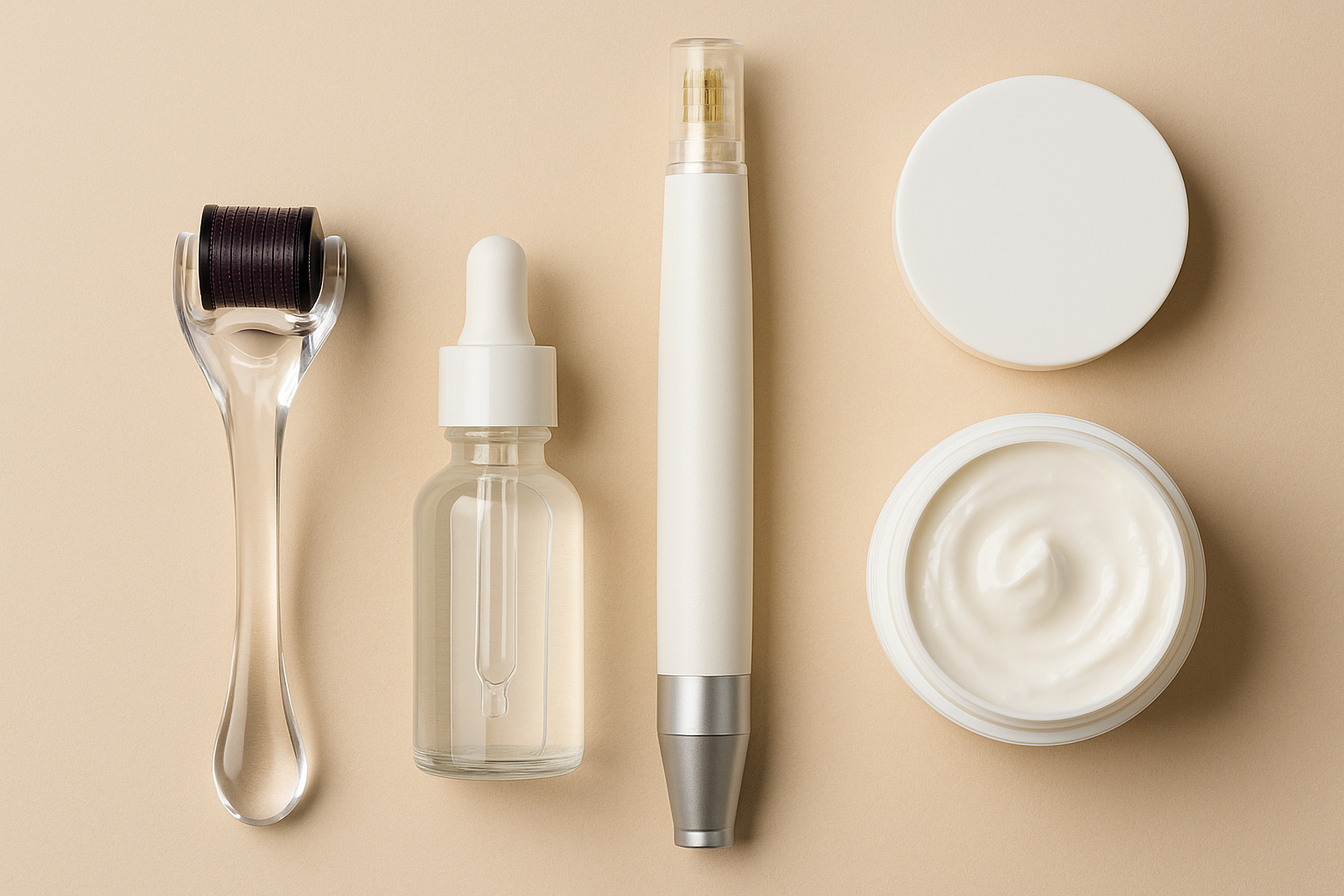
- Device type: Stamp tools are more controlled for targeted areas; rollers cover larger zones quickly; pens (motorized) are typically more advanced and often used by professionals.
Serum compatibility and ingredient safety
Microneedling increases skin’s receptivity, so what you apply afterward matters. Choose simple, soothing formulas with well-studied ingredients and avoid harsh actives immediately after.
- Great options: hyaluronic acid, peptides, panthenol (B5), centella asiatica, glycerin, and sterile saline sprays.
- Avoid right after: strong acids (AHA/BHA), retinoids, high-percentage vitamin C (L-ascorbic acid), fragranced formulas, and essential oils.
Sterilization, hygiene, and packaging
Cleanliness is non-negotiable. The best microneedling products come with clear hygiene instructions and smart packaging that reduces contamination risk.
- Prefer individually sealed needle cartridges or single-user tools.
- Choose serums in airless pumps or sterile ampoules when possible.
- Use 70% isopropyl alcohol for tool sanitation when the manufacturer recommends it (always follow the brand’s guidance).
Best Microneedling Devices for At-Home Use
Below are popular, well-reviewed microneedling tools often chosen for at-home routines. Your best pick depends on comfort level, desired precision, and how much control you want during application.
Best derma roller options
Derma rollers are widely available and beginner-friendly. They can be helpful for enhancing the look of dullness and mild texture when used carefully and consistently.
- Look for: 0.2–0.3 mm needle length, sturdy handle, reputable brand, and clear replacement guidance.
- Best for: larger areas like cheeks and forehead (avoiding delicate eyelids and active breakouts).
- Tip: Replace rollers regularly—dull needles can tug and irritate.
Best microneedling stamps for precision
Microneedling stamps press straight down rather than rolling, which many users find easier to control—especially for small areas like acne marks or around the mouth.
- Look for: adjustable depth (within safe at-home ranges), comfortable grip, and easy-to-clean design.
- Best for: spot treating texture and areas that are tricky to roll evenly.
Best microneedling pens (and when to choose them)
Microneedling pens use a motorized stamping motion and often take disposable cartridges. While many pens are marketed for home use, they can be more intense and require extra diligence.
- Look for: sealed, disposable cartridges; multiple speed settings; reputable manufacturing; and detailed safety instructions.
- Best for: experienced users who want more consistent application and cartridge hygiene.
- Consider: If you’re targeting deeper scars or significant wrinkles, a licensed professional treatment may be safer and more effective.
Best Serums to Use With Microneedling
The best microneedling serums are simple, hydrating, and barrier-supportive. Think “calm and cushion,” not “tingle and peel.”
Hyaluronic acid serums for hydration
Hyaluronic acid is a top pick because it hydrates without being overly reactive for most skin types. Choose a fragrance-free formula, ideally with supportive humectants like glycerin.
- Best for: dryness, dehydration lines, and plumper-looking skin.
- Pro tip: Apply to slightly damp skin and seal with a gentle moisturizer to lock in hydration.
Peptide and growth factor-style serums for recovery
Peptides are popular for improving the look of firmness and supporting a smoother texture over time. Some products also use “growth factor” terminology; these can be pricey, so look for brands that provide transparency and well-formulated, irritation-minimizing bases.
- Best for: visible signs of aging and post-procedure recovery support.
- Choose: formulas without added fragrance or strong active acids.
Soothing serums (centella, panthenol, ceramides)
After microneedling, calming ingredients help reduce the look of redness and reinforce the skin barrier.
- Centella asiatica: comfort and soothing support.
- Panthenol (B5): hydration and barrier-friendly recovery.
- Ceramides: help strengthen the moisture barrier—often best in a light cream rather than a watery serum.
Best Aftercare Products for Microneedling Results
Aftercare is where a lot of the magic happens. The goal is to protect your skin while it recovers—keeping things clean, hydrated, and shielded from the sun.
Gentle cleansers and barrier repair moisturizers
Stick with a mild, fragrance-free cleanser and a simple moisturizer. Heavy actives can wait until your skin feels back to normal.
- Cleanser: non-foaming or low-foam, no exfoliating acids.
- Moisturizer: ceramides, glycerin, squalane, or colloidal oatmeal can be especially comforting.
SPF products to protect newly treated skin
Daily sunscreen is essential after microneedling—UV exposure can worsen the look of pigmentation and slow the appearance of recovery.
- Look for: broad-spectrum SPF 30+, fragrance-free, and suitable for sensitive skin.
- Mineral vs. chemical: many people prefer mineral SPF (zinc oxide) right after treatments because it’s often gentler, but the best sunscreen is the one you’ll wear consistently.
What to avoid after microneedling
For the first 24–72 hours (depending on your skin and treatment intensity), avoid common irritants and anything that increases heat or friction.
- Exfoliating acids, retinoids, and strong vitamin C
- Fragrance, essential oils, and alcohol-heavy toners
- Hot showers, saunas, intense workouts, and swimming pools (especially right after)
- Makeup until redness subsides and skin feels calm (often at least 24 hours)
How to Choose the Right Microneedling Product for Your Skin Type
If you’re deciding between tools and topical products, use your skin type and sensitivity level as the final filter. The best microneedling products are the ones your skin can tolerate without prolonged irritation.
Sensitive or acne-prone skin
Go slow and keep it simple. Choose shorter needle lengths, a soothing serum (like panthenol or centella), and a non-comedogenic moisturizer. Avoid microneedling over active acne, as it can spread bacteria and worsen inflammation.
Dry or mature skin
Dryness and visible fine lines often respond well to hydrating hyaluronic acid layers, peptide serums, and richer barrier creams. Consistent SPF is especially important for mature skin goals.
Hyperpigmentation concerns
Sun protection is your best friend. Choose a gentle routine and don’t rush back into strong actives. Once your skin is fully recovered, brightening ingredients can be reintroduced gradually (and ideally with professional guidance if you’re prone to dark spots).
Conclusion: Building a Safer, Smarter Microneedling Routine
The best microneedling products combine a well-made tool, a simple hydrating serum, and supportive aftercare—especially a gentle moisturizer and daily SPF. Start conservatively, prioritize hygiene, and listen to your skin. When in doubt (or if you want to treat deeper scars), professional microneedling can be the safest path to noticeable, consistent results.