Introduction
Second-degree burns (partial-thickness burns) can be painful and alarming, but with prompt, appropriate care many heal well without complications. This guide offers clear, evidence-based steps for immediate first aid, caring for blisters and wounds, managing pain, preventing infection, and knowing when to seek medical attention.
What Is a Second-Degree Burn?
Partial-thickness injury explained
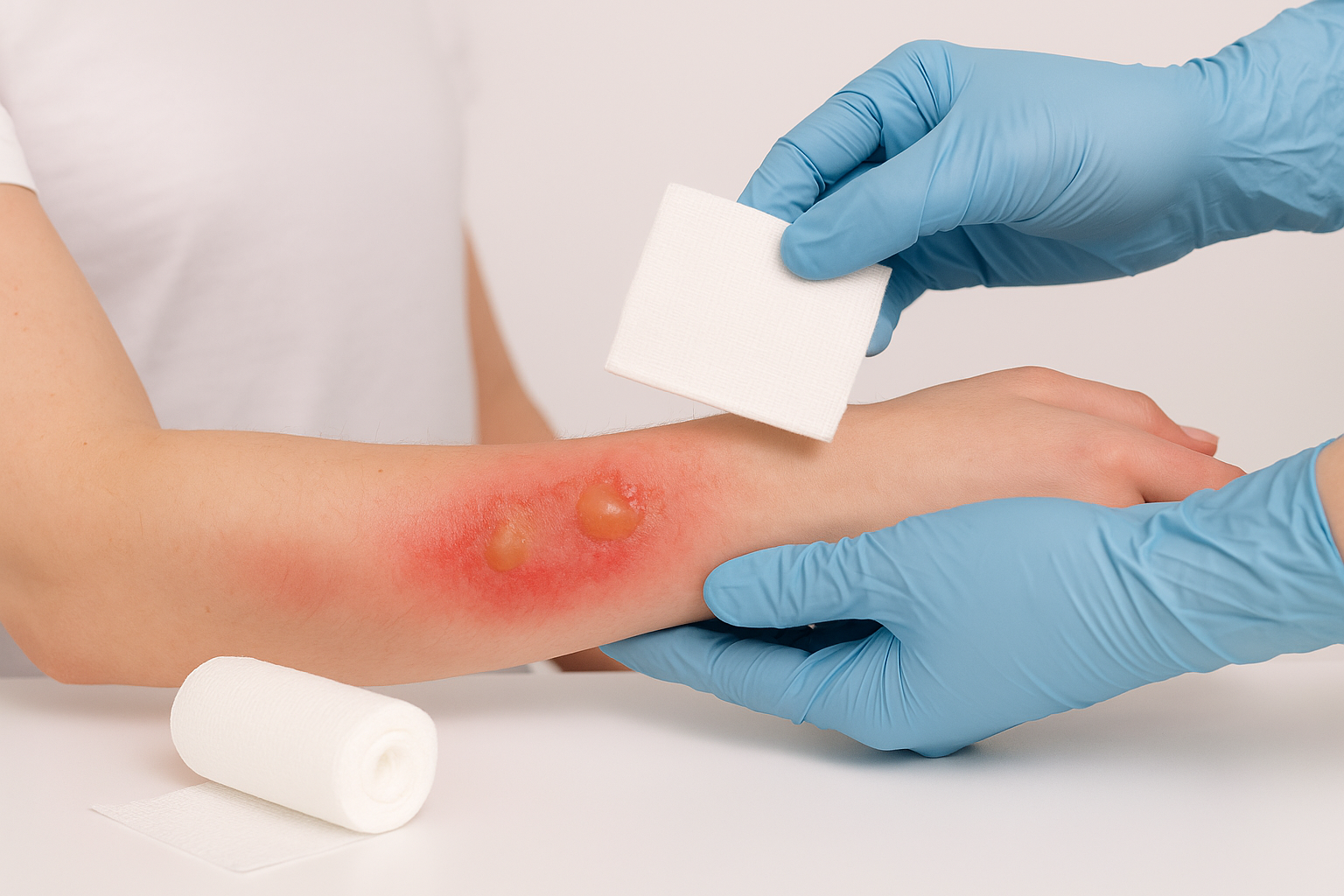
A second-degree burn affects both the outer layer of skin (epidermis) and the underlying layer (dermis). These burns typically cause redness, swelling, intense pain, and blisters. The depth can vary: superficial partial-thickness burns may heal in 7–21 days, while deeper partial-thickness burns take longer and have a higher risk of scarring.
Immediate First Aid
Step-by-step actions
- Remove the person from the source of the burn and stop the burning process.
- Cool the burn with cool (not cold) running water for 10–20 minutes. This reduces heat, swelling, and pain. Do not use ice directly on the burn.
- Remove tight clothing, jewelry, or belts from the injured area unless they are stuck to the skin.
- Gently pat the area dry with a clean cloth. Avoid rubbing.
- Cover the burn loosely with a sterile, non-stick dressing or clean cloth to protect it from contamination.
What not to do
- Do not break blisters intentionally—this raises infection risk.
- Avoid applying butter, oils, toothpaste, or raw household remedies.
- Do not apply ice directly, which can cause further tissue damage.
Blister Care and Wound Management
Handling blisters safely
Intact blisters act as a natural barrier against infection. If a blister is small and not painful, leave it intact and keep it clean and covered. If a blister is large, painful, or at risk of bursting, seek medical care for proper drainage and sterile dressing.
Cleaning and dressing
Clean the area with gentle soap and water. Use a non-stick sterile dressing and change it daily or sooner if it becomes wet or dirty. Over-the-counter antimicrobial ointments may be used if recommended by a healthcare provider. Observe the wound for increasing redness, swelling, or discharge.
Medical Treatment
When to seek professional care
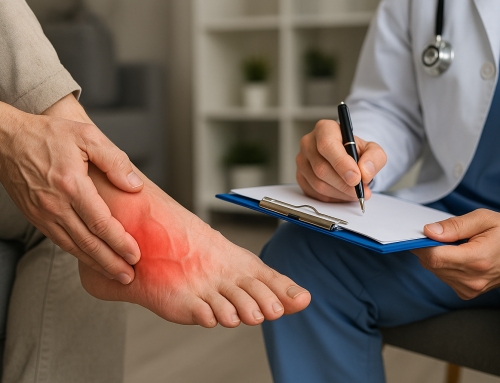
- Burns larger than 3 inches (7–8 cm) or covering the face, hands, feet, groin, buttocks, or a major joint.
- Deep burns that appear white, charred, or painless (may indicate deeper injury).
- Signs of infection: increased pain, redness, swelling, pus, or fever.
- Burns caused by chemicals, electricity, or inhalation injury from smoke.
What clinicians may do
Medical providers may clean and debride the wound, drain blisters under sterile conditions, prescribe topical or oral antibiotics if infection is present, and provide tetanus updates if needed. Severe or deep burns may require referral to a burn center for specialized care, grafting, or physical therapy.
Pain Management and Infection Prevention
Managing pain
Over-the-counter pain relievers such as acetaminophen or ibuprofen can reduce pain and inflammation. Follow dosing instructions and consult a healthcare provider for children or people with medical conditions. Keep the burned area elevated to minimize swelling when possible.
Preventing infection
Maintain clean dressings, wash hands before touching the wound, and avoid exposing the area to dirt or crowded pools until healed. Watch for increasing redness, streaking, foul odor, or fever—these require prompt medical evaluation.
Recovery and Scar Prevention
Promoting optimal healing
Healing time varies. Keep the area moisturized with a fragrance-free emollient once new skin has formed and follow your healthcare provider’s instructions. Gentle range-of-motion exercises for burns over joints can prevent stiffness.
Reducing scarring
After the wound has closed, sun protection is important. Use broad-spectrum sunscreen and clothing to protect healing skin from UV exposure. For significant scarring, silicone sheets or topical treatments recommended by a clinician can help, and physical therapy or laser treatments are options for persistent issues.
Prevention Tips
- Use oven mitts and keep hot liquids away from edges where they can be knocked over.
- Set your water heater to 120°F (49°C) or lower to reduce scald risk.
- Install smoke detectors and have a fire escape plan at home.
- Keep chemicals and electrical devices out of children’s reach.
Conclusion
Second-degree burns require timely, careful attention to reduce pain, prevent infection, and promote healing. Minor burns can often be managed safely at home using cooling, clean dressings, and pain relief, but larger, deeper, or infected burns need medical evaluation. When in doubt, seek professional care to ensure the best outcome.