
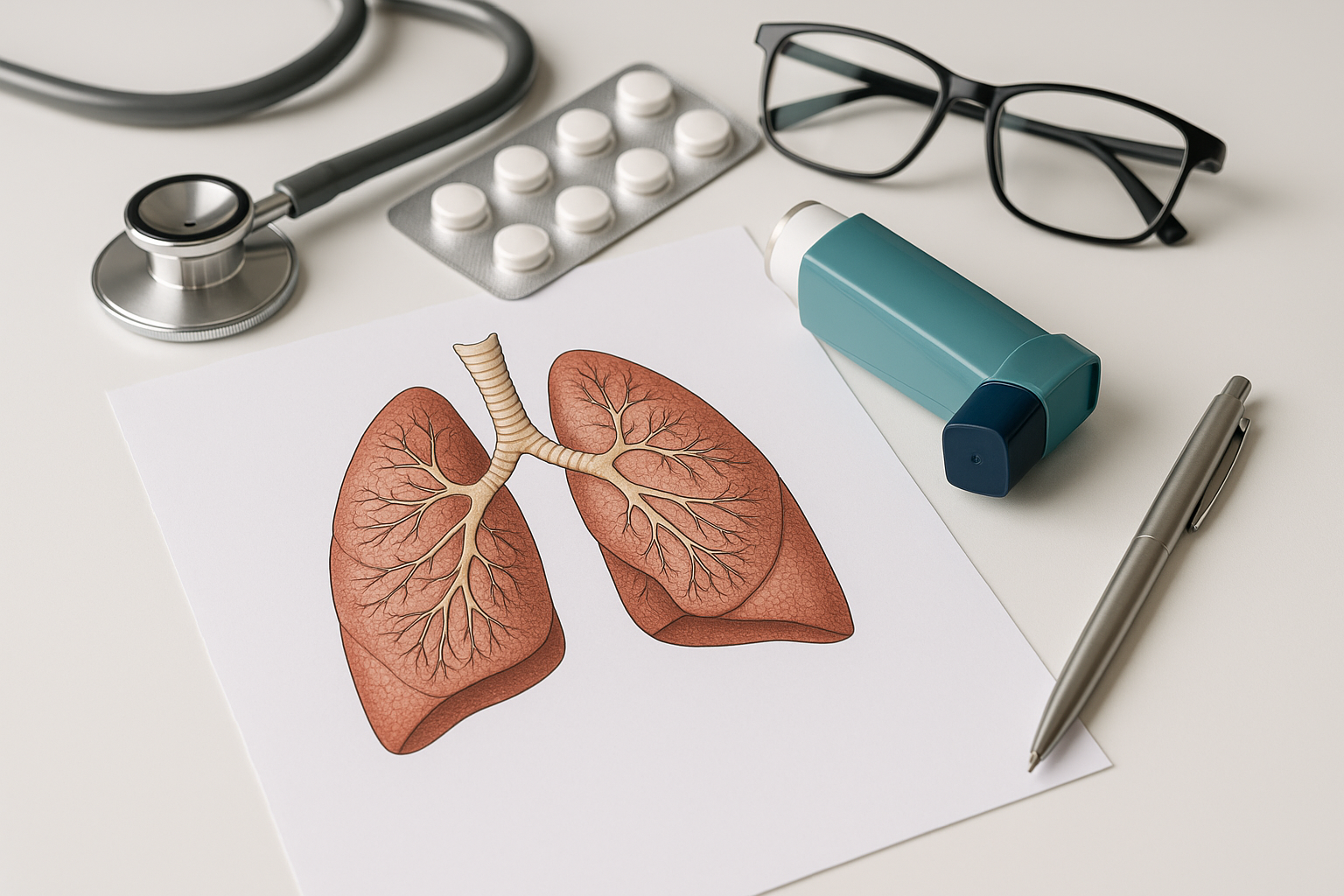
Understanding Pulmonary Fibrosis and Treatment Goals
Pulmonary fibrosis (PF) is a group of lung diseases characterized by scarring (fibrosis) of lung tissue that reduces oxygen transfer. While some causes are known, idiopathic pulmonary fibrosis (IPF) has no identifiable cause. The goals of therapy are to slow disease progression, manage symptoms, prevent complications, and preserve quality of life.
How Pulmonary Fibrosis Is Diagnosed
Accurate diagnosis is the first step in choosing appropriate therapy. Diagnosis commonly involves a combination of:
- Medical history and physical exam
- High-resolution CT scan (HRCT) of the chest
- Pulmonary function tests (PFTs) to measure lung capacity and gas exchange
- Blood tests to rule out autoimmune causes
- Occasionally bronchoscopy or surgical lung biopsy when diagnosis is uncertain
Current Approved Therapies
There is no universal cure for pulmonary fibrosis, but several therapies can meaningfully impact disease course and symptoms.
Antifibrotic Drugs
Two antifibrotic medications are widely used for IPF and some other progressive fibrosing interstitial lung diseases:
- Pirfenidone: Slows decline in lung function and may reduce the risk of disease progression. Common side effects include gastrointestinal upset and photosensitivity.
- Nintedanib: A tyrosine kinase inhibitor that also slows fibrosis progression. Side effects frequently include diarrhea and liver enzyme elevations—regular monitoring is required.
These drugs are most effective when started early and require ongoing monitoring for side effects.
Supportive and Symptom-Targeted Care
- Oxygen therapy: Prescribed when blood oxygen falls at rest or with exertion. It eases breathlessness and can improve activity tolerance.
- Pulmonary rehabilitation: Exercise training, education, and breathing techniques that enhance endurance and quality of life.
- Vaccinations and infection prevention: Influenza and pneumococcal vaccines help prevent respiratory infections that can worsen fibrosis.
- Management of comorbidities: Treating conditions like gastroesophageal reflux disease (GERD), pulmonary hypertension, and sleep apnea supports overall outcomes.
Lung Transplantation
For eligible patients with advanced disease, lung transplant can significantly extend survival and improve quality of life. Referral to a transplant center should be considered early for those with progressive decline despite medical therapy.
Emerging and Experimental Treatments
Research into pulmonary fibrosis therapy is active. Promising areas include:
- Combination antifibrotic strategies: Trials are investigating whether combining agents or adding drugs that target different pathways yields better results.
- Novel small molecules and biologics: Agents targeting specific signaling pathways involved in fibrosis (e.g., TGF-β, connective tissue growth factor) are under study.
- Cell-based therapies: Mesenchymal stem cell approaches aim to modulate inflammation and repair tissue—results are early but worth watching.
- Precision medicine and genetics: Improved understanding of genetic predisposition may allow personalized treatment choices in the future.
- Clinical trials: Participating in trials provides access to new therapies and contributes to scientific progress—talk with your specialist about options.
Practical Tips for Managing Pulmonary Fibrosis
Living with PF often requires a combination of medical management and lifestyle adjustments. Helpful strategies include:
- Stay active with tailored exercise and pulmonary rehab to maintain strength and stamina.
- Pace yourself and prioritize activities; small energy-conservation techniques can reduce breathlessness-related anxiety.
- Ask your care team about nutritional support—good nutrition helps maintain muscle mass and healing.
- Address mental health. Anxiety and depression are common; counseling or support groups can help.
- Keep a clear plan for managing exacerbations—know when to seek urgent care for worsening symptoms or infection.
Working Closely with Your Care Team
A multidisciplinary approach—pulmonologists, rehabilitation specialists, transplant teams, pharmacists, and primary care—yields the best outcomes. Regular follow-up visits, pulmonary function monitoring, and medication reviews help tailor therapy as the disease evolves.
Conclusion
Pulmonary fibrosis therapy has advanced considerably: antifibrotic drugs, supportive care, and lung transplantation can alter the course of disease and improve quality of life. Emerging research offers hope for more targeted treatments. If you or a loved one is living with PF, early evaluation, ongoing monitoring, and open communication with your care team are key to optimizing outcomes.