What is Microneedling?
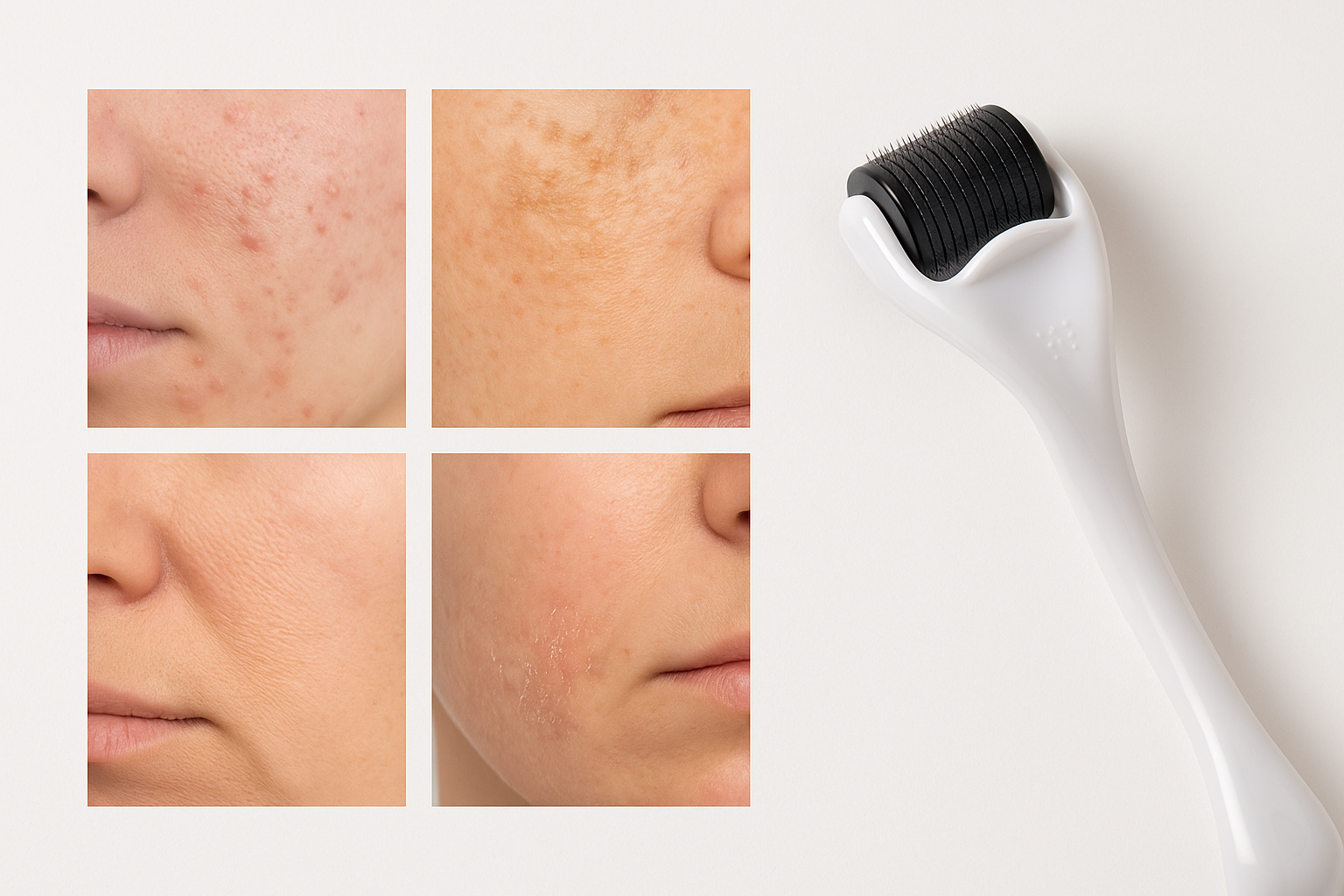
Microneedling, also known as collagen induction therapy, uses tiny sterile needles to create controlled micro-injuries in the skin. Those micro-injuries prompt the skin to repair itself by producing collagen and elastin—two proteins that help skin look firmer, smoother, and more even. The treatment can be done with manual rollers, automated pens, or in-office devices combined with topical serums or platelet-rich plasma (PRP).
How Microneedling Helps Skin
Stimulates Collagen and Elastin
The small punctures signal the body’s natural healing process, boosting collagen and elastin synthesis. Over time, this can reduce the appearance of scars, fine lines, and texture irregularities.
Improves Product Absorption
Microneedling temporarily increases skin permeability, allowing serums and active ingredients to penetrate more effectively, which can enhance results when combined with targeted topical treatments.
Common Skin Conditions Treated by Microneedling
Acne Scars
Rolling and icepick acne scars often respond well to microneedling. By remodeling collagen in the scarred tissue, microneedling can soften deep scars and reduce overall scar depth. Multiple sessions spaced 4–6 weeks apart typically yield the best results.
Surgical and Traumatic Scars
Similar to acne scarring, surgical scars may improve in texture and color with repeated microneedling treatments. Combining microneedling with modalities like silicone gels or steroid injections (for hypertrophic scars) can be beneficial.
Stretch Marks (Striae)
Stretch marks are a form of dermal scarring. Microneedling can make older and newer stretch marks less noticeable by stimulating collagen production in the affected dermis. Results vary depending on age, depth, and location of the stretch marks.
Fine Lines and Wrinkles
By encouraging collagen remodeling, microneedling can reduce the appearance of fine lines and superficial wrinkles, especially on the face and neck. Improvements develop gradually over weeks to months as new collagen matures.
Enlarged Pores and Skin Texture
Microneedling can help shrink the appearance of large pores by increasing collagen deposition around pore openings and smoothing uneven texture for a more refined complexion.
Hyperpigmentation and Melasma
Microneedling may help lighten some types of post-inflammatory hyperpigmentation by promoting skin turnover and distribution of pigment. For melasma, microneedling can be useful as part of a combined approach, but it should be performed cautiously and by an experienced clinician to avoid pigment worsening.
Dull Skin and Uneven Tone
Because microneedling stimulates cell renewal, many people notice brighter, more even-toned skin after a series of treatments. It’s a popular option for those seeking an overall skin refresh without more invasive procedures.
Hair Loss (Alopecia)
Emerging evidence suggests microneedling can support hair regrowth when combined with topical treatments like minoxidil or PRP. It’s most effective for certain types of hair thinning, not all causes of hair loss.
When Microneedling Is Less Effective or Not Recommended
Active Acne and Infections
Microneedling should be avoided on active cystic acne, open wounds, or infected skin, as the procedure can spread bacteria or worsen inflammation.
Severe Keloid Tendency or Certain Skin Diseases
People prone to keloids or with autoimmune skin conditions should consult a dermatologist—microneedling can carry higher risk and may be contraindicated.
What to Expect During and After Treatment
During Treatment
A typical in-office session lasts 30–60 minutes. Mild topical anesthetic is often applied beforehand. You’ll feel some pressure and minor discomfort, but most people tolerate it well.
Aftercare and Downtime
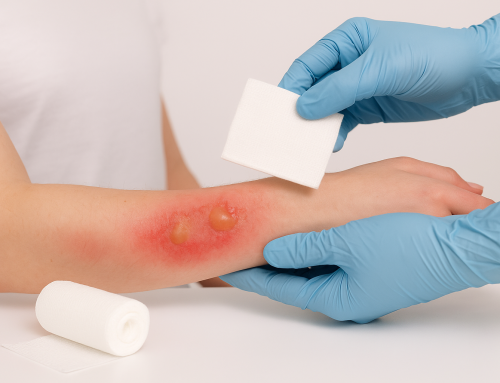
Expect redness and warmth similar to a sunburn for 24–72 hours. Skin may flake or feel tight as it heals. Use gentle cleansers, broad-spectrum sunscreen, and avoid active exfoliants for several days. Follow your provider’s recommendations about serums or PRP application.
Conclusion
Microneedling is a versatile, minimally invasive treatment that helps with acne and surgical scars, stretch marks, fine lines, enlarged pores, and more. It’s not a cure-all, and results vary by condition, skin type, and the technique used. Consult a qualified dermatologist or licensed provider to determine whether microneedling is the right option for your skin goals and to create a safe, effective treatment plan.