
Emsella Pelvic Floor Therapy: What to Know Before a Consultation
Emsella is a noninvasive treatment offered at Anchor for pelvic floor strengthening. The clinic describes a 28-minute seated session and a six-session course over three weeks. It is not a fit for everyone; pregnancy and some implants or medical devices require screening. Bladder leakage has multiple causes, so clinical assessment and other treatment options matter.
6 min read · By Anchor Restorative Medicine · Not reviewed

Key points
- Emsella is a noninvasive treatment offered at Anchor for pelvic floor strengthening. The clinic describes a 28-minute seated session and a six-session course over three weeks. It is not a fit for everyone; pregnancy and some implants or medical devices require screening. Bladder leakage has multiple causes, so clinical assessment and other treatment options matter.
Pelvic floor symptoms can affect exercise, sleep, work, intimacy, and confidence. Leakage when coughing or urgency that is hard to control is common, but it is not something you have to dismiss as
- At Anchor, the listed protocol is six sessions, twice weekly over three weeks, with each visit lasting about 28 minutes. The clinic says patients may feel tingling and muscle contractions. Ask what se
Pelvic health is personal. You can describe your symptoms in everyday language, write down questions beforehand, and ask for explanations at your own pace. If a particular treatment is not suitable
Pelvic floor symptoms can affect exercise, sleep, work, intimacy, and confidence. Leakage when coughing or urgency that is hard to control is common, but it is not something you have to dismiss as an inevitable part of aging or childbirth. A clinician can help identify what is happening and discuss choices.
Emsella is a noninvasive option described by Anchor Restorative Medicine for pelvic floor strengthening. The treatment uses electromagnetic energy while a person sits fully clothed on a chair. It is different from a diagnostic evaluation, pelvic-floor physical therapy, medication, or surgery. Understanding those distinctions helps set realistic expectations.
At Anchor, the listed protocol is six sessions, twice weekly over three weeks, with each visit lasting about 28 minutes. The clinic says patients may feel tingling and muscle contractions. Ask what sensations are expected and tell the clinician if anything feels painful or concerning. The clinic page says there is no preparation or recovery time, but your own clinician should advise you based on your health history.People seek assessment for stress leakage during laughing, sneezing, or exercise; urgency; postpartum changes; or other pelvic concerns. Similar symptoms can have different causes. A healthcare professional may ask about onset, frequency, pregnancy and birth history, medications, fluid intake, urinary symptoms, and relevant conditions. Seek individualized evaluation rather than assuming a device is appropriate solely because symptoms seem familiar.The clinic notes that Emsella is not recommended during pregnancy and that pelvic metal implants or certain medical devices can affect eligibility. Bring a list of implants, devices, surgeries, medications, and relevant diagnoses. Ask whether additional screening is needed. If you have pain, blood in urine, difficulty emptying the bladder, recurrent infections, or sudden severe symptoms, discuss those promptly with a clinician rather than treating them as routine leakage.Ask what evidence supports the treatment for your specific symptoms, what outcomes are realistic, how improvement will be assessed, and what alternatives exist. Options can include pelvic-floor muscle training, physical therapy, behavior changes, medication, or specialist assessment, depending on the cause. The MedlinePlus overview of urinary incontinence explains that evaluation and treatment depend on the type and cause. No single approach is right for everyone.Anchor lists the Emsella service as self-pay and provides a six-visit protocol; confirm current logistics directly before arranging care. Ask about total expected visits, cancellation policies, whether the treatment can be combined with other care, and how follow-up works. Be wary of guarantees. A careful consultation should leave room for questions and a decision without pressure.Pelvic health is personal. You can describe your symptoms in everyday language, write down questions beforehand, and ask for explanations at your own pace. If a particular treatment is not suitable, request help understanding other evidence-informed choices or referrals. You deserve care that takes symptoms seriously while being honest about uncertainty.
Preparing for a visit
Try keeping a short symptom diary for several days. Note when leakage or urgency happens, what you were doing, how often you urinate, and whether symptoms wake you at night. Record fluid and caffeine patterns if relevant, but do not drastically restrict fluids without medical advice. The information can help distinguish patterns and make the visit more focused.
Also note how symptoms affect activities you value. For example, you may avoid running, plan routes around bathrooms, or wake repeatedly to urinate. These details are clinically useful and help you and your provider decide what improvement would mean in daily life.
Other approaches to discuss
Pelvic-floor muscle training may be recommended for some forms of incontinence, often with guidance from a physical therapist who specializes in pelvic health. Other choices depend on the cause and can include bladder training, medication, or referral for further evaluation. Each option has benefits and limitations. A treatment plan can combine approaches, and it may change as symptoms and goals change.
Ask whether an examination or testing is appropriate before treatment, and whether another diagnosis should be considered. Do not hesitate to ask for an explanation of any recommendation in plain language. You may request a chaperone for an examination or ask about accommodations that help you feel comfortable.
For general preparation guidance, see MedlinePlus information on preparing for a medical visit.
Sources
Explore our services, learn about annual physicals, or review weight management care as relevant to your questions.
Ready to talk with our team?
To discuss your questions and whether a consultation may be appropriate, contact Anchor Restorative Medicine. You can also review birth control care and women’s health services.
This article is for general education and is not medical advice. Results vary from person to person, and no outcome is guaranteed. Talk with a qualified clinician about your own situation.
Related Articles
 Aesthetic Wellness
Medical Botox (Xeomin) in Irving for Migraine and Jaw Pain Relief
Learn how medical Botox in Irving using Xeomin may ease migraines and jaw pain with patient-centered, whole-person care and personalized treatment plans.
 Aesthetic Wellness
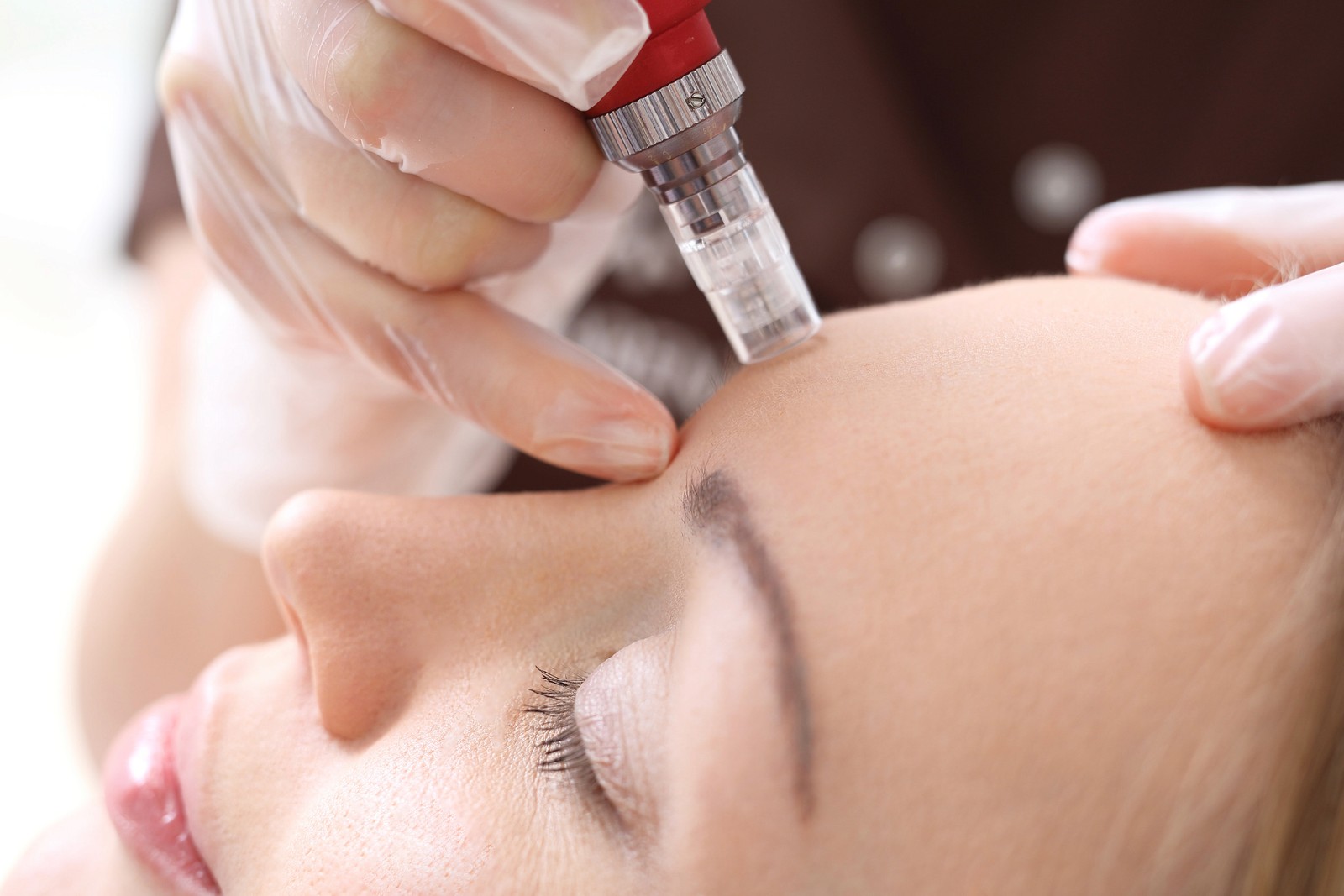
Rejuvenating Your Facial Skin with ANCR Glow
Discover how microneedling with PRF and ANCR Glow may enhance collagen production, improve skin texture, and support natural skin rejuvenation.


Ready to Start Feeling Like Yourself Again?


97 Reviews on Google