
Your First 30 Days in Restorative Medicine in Irving: What to Expect
See what to expect in your first month of restorative medicine in Irving, including intake, labs, follow-ups, messaging, and care plan cadence.
5 min read

Stepping Into a New Kind of Care
I had been putting off finding a new primary care provider in Irving for months. I wanted real help with my energy, mood, and hormones, but I was tired of rushed visits and feeling judged. I worried I would be talked over, or told everything was “fine” even when I did not feel fine at all. At the same time, I knew I could not keep ignoring my health.
That is what led me to a different kind of clinic, one that focused on restorative medicine in Irving and treated the whole person. From the start, the focus was on relationship, not quick fixes. In this story, we will walk you through what the first 30 days can look like with a clinic like ours, before, during, and after your visits, so you know what actually happens with intake, labs, messaging, and follow-ups.
Before You Arrive: Your First Contact and Intake
The first step was simple. I filled out a contact form and soon got a calm, kind call back. The staff member used my name, asked what brought me in, and did not rush me off the phone. When I mentioned that I had some anxiety around doctors, they acknowledged it instead of brushing it away.
Then came the digital intake. It was more than a basic checklist, and that was on purpose. The forms asked about:
Medical history and current diagnoses
Medications and supplements
Mental health, mood, and stress
Menstrual history if that applied to me
Gender identity, pronouns, and sexual health
Goals like better sleep, more energy, hormone support, weight concerns, or interest in Medical Botox (Xeomin)
Everything was written in plain language, not scary medical terms. The forms clearly stated that all genders are welcome and that LGBTQIA+ patients are fully affirmed. There were gentle notes saying I could share only what I felt ready to share. If I had a history of trauma, substance use, or long gaps in care, it was clear I would not be shamed for it.
What mattered most was that I could say, “Here is what I want help with right now,” and leave some topics for a later time. The intake set the tone: my story, my identity, and my goals were all part of the plan.
Day One: What Your First Visit Really Feels Like
On the day of my first visit, I parked, took a deep breath, and walked in expecting another stiff office. Instead, I was greeted by name. The space felt calm and human. It did not feel like a crowded waiting room where everyone is racing through quick visits.
When my provider came to get me, they introduced themselves, asked how my day was going, and made eye contact. In the exam room, they did not start with a blood pressure cuff. They started with a conversation. They asked what had brought me in and what my health had been like over the past few years. I had space to talk about:
Primary care needs like blood pressure or thyroid concerns
Mood, anxiety, or stress levels
PCOS/PMOS, painful periods, or perimenopause and menopause
Sexual health questions
Interest in transitional HRT as a member of the LGBTQIA+ community
Metabolic concerns like weight changes or fatigue
Skin and aesthetic goals, including Medical Botox (Xeomin)
They explained what restorative medicine in Irving meant in this setting. It was not just treating a symptom with a quick prescription, it was looking at root causes, lifestyle, mental health, and hormones together. When they suggested next steps, they checked in with me: “How does that sound?” and “What feels realistic for you right now?” I was invited to say, “I am not sure yet,” and that was okay.
Labs, Testing, and the First 10 to 14 days
Before the visit ended, we talked about labs and testing. My provider explained, in clear terms, which labs would actually be helpful for my situation. For many people, that might include:
General bloodwork for overall health
Hormone panels, including sex hormones or thyroid
Metabolic markers that relate to energy and weight
Other tests based on symptoms, like PCOS/PMOS or cardiovascular risk
They explained why each test was suggested and how it might guide our choices. We talked about where the labs would be done, either in the clinic or at a partner lab, and how to schedule them. Instructions were simple: whether I needed to fast, what to bring, and what to expect from the blood draw itself.
During the waiting period, I was not left in the dark. I learned how results would show up in the patient portal and that someone would follow up, not just drop a long list of numbers on me. I could send a message if I got nervous about something I read or if I noticed a new symptom while waiting. When results were reviewed, the team used everyday words, like “This hormone level may explain some of your fatigue,” instead of complex terms that made me feel lost.
Building Your Personalized Care Plan Over 30 Days
About two or three weeks later, I came back for a follow-up. This visit was about connecting the dots. We sat together and walked through the lab results and what they could mean for my mood, hormones, metabolism, sleep, pain, or skin. I was not just told what to do, I was asked what made sense to me.
The care plan might include:
Adjusting or starting medications when needed
Hormone support, including transitional HRT when appropriate
Mental health support, with therapy referrals or medication options
Simple, realistic guidance on food and movement
Sleep strategies that fit my life
Aesthetic steps I might want later, like Medical Botox (Xeomin)
My provider was upfront about options, timing, and what we would be watching over the next few months. There was a clear rhythm to the plan, often something like:
A follow-up in about 4 to 6 weeks for medication or mood check-ins
Hormone reassessment around 3 months if we changed anything
Portal messages encouraged whenever I had questions or new symptoms
If I did not follow every part of the plan perfectly, no one scolded me. We talked honestly about time, money, and energy. When I asked about self-pay, I was told I could contact the clinic for current pricing and we could plan in a way that fit my situation.
Staying Connected Between Visits
Between visits, I learned how helpful ongoing connection could be. Through the secure portal, I could:
Ask about new or changing symptoms
Share concerns about side effects
Request refills before I ran out
Clarify instructions I had forgotten
The responses were thoughtful and warm, not rushed one liners. If I was not sure whether something was urgent, I could ask. When my mood dipped while adjusting hormones or mental health medication, the team treated that as an important part of my health, not a side note.
If I needed imaging or a specialty referral, the staff helped with that too. When time or money felt tight, they helped me decide what to prioritize first. My body, gender, and background were respected in every conversation. It was clear that restorative medicine in Irving, at a clinic like this, was about long term relationship, not a one time fix.
Your Next 30 Days and Beyond
By the end of the first month, the experience felt very different from past medical care. I felt remembered. I felt like my provider actually knew my pronouns, my story, my fears, and my hopes. Other patients often describe a similar shift, like finally feeling seen in their primary care, women’s health, mental health, transitional HRT, or aesthetic visits.
When you think about your own first 30 days, you might picture what it would mean to have a team that keeps track of your progress over time, not just a single lab number. A place where you can talk about hormones and anxiety in the same visit, ask about Medical Botox (Xeomin) without being judged, or take your time deciding about transitional HRT. That is the heart of restorative medicine in Irving as we practice it, a steady partnership that honors who you are and where you want to go with your health.
Reclaim Your Daily Comfort and Long-Term Health
If you are ready to address the root causes of your symptoms instead of just masking them, our team at Anchor Restorative Medicine is here to help. Explore how our approach to $restorative medicine in Irving/$ can support your energy, mobility, and overall well-being. We will walk you through your options, answer your questions, and outline a personalized plan that fits your goals. To schedule an appointment or ask about next steps, please $contact us/$.
Related Articles
 Aesthetic Wellness
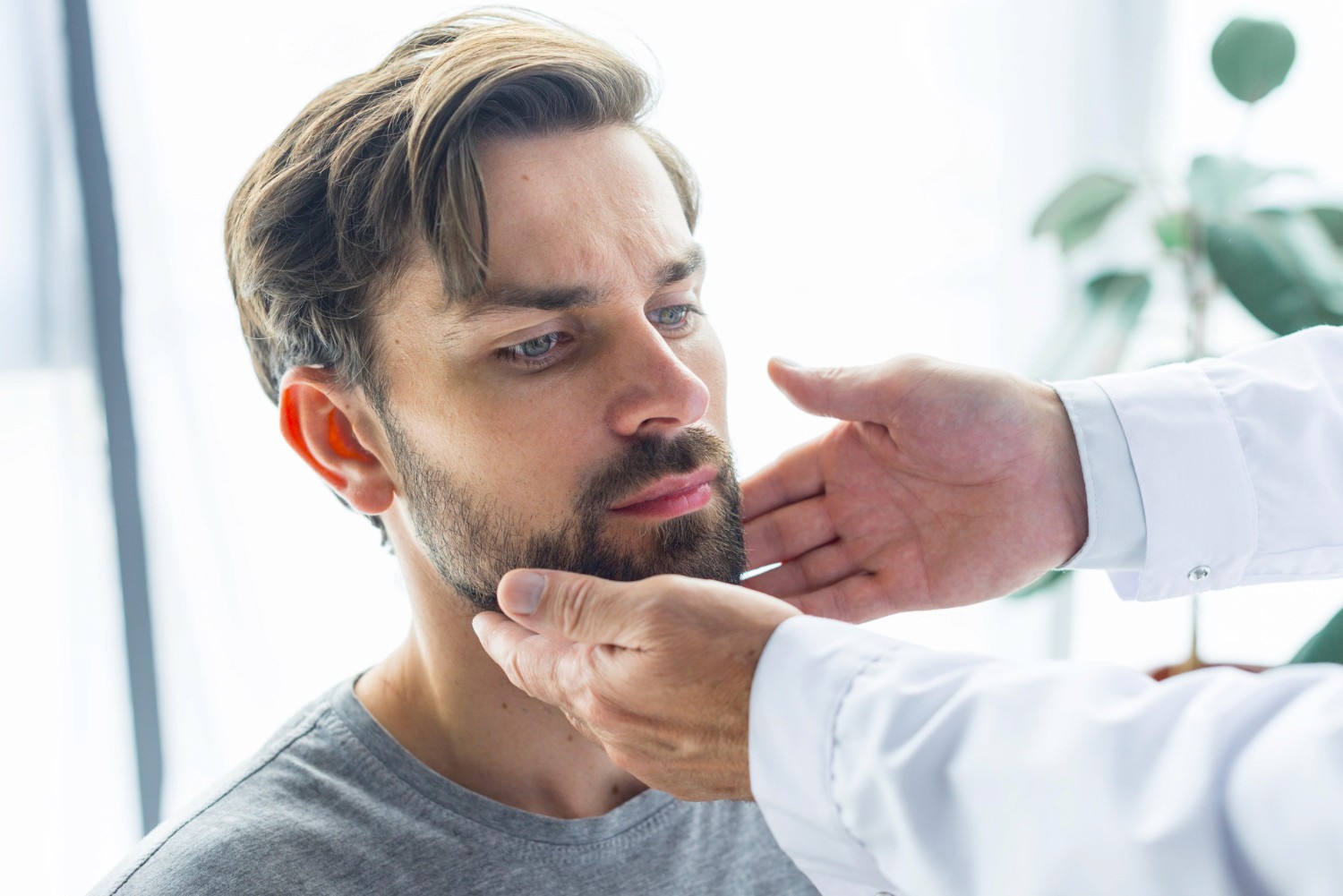
Medical Botox (Xeomin) in Irving for Migraine and Jaw Pain Relief
Learn how medical Botox in Irving using Xeomin may ease migraines and jaw pain with patient-centered, whole-person care and personalized treatment plans.
 Regenerative Medicine
Making Sense of Medication Management in Irving Primary Care
Learn how medication management in Irving, TX supports safer dosing, fewer interactions, and better outcomes with patient-centered primary care support.


Ready to Start Feeling Like Yourself Again?


97 Reviews on Google