
What Inclusive Hormone Therapy in Irving Means for Everyday Life
Learn how hormone therapy in Irving supports energy, mood, and daily wellbeing with inclusive, whole person care for adults of all genders.
5 min read

Hormones touch almost every part of daily life. They can affect how rested you feel when you wake up, how steady your mood is through the day, how focused you are at work, and how connected you feel to your own body. When hormones are out of balance, even simple tasks can feel harder than they should.
Inclusive hormone therapy in Irving means there is space for all of that. It means care that respects your gender, your orientation, your culture, and your story. At Anchor Restorative Medicine, we offer hormone care that is grounded in listening, so you can understand what is happening in your body and what options you have.
How Inclusive Hormone Care Can Change Daily Life
Hormones are like quiet background managers, helping run your sleep, hunger, mood, energy, and sexual health. When they are off, you might not think, “This is a hormone problem.” You might just feel tired, on edge, or unlike yourself.
Inclusive care means you can show up as you are. That includes:
Adults of all genders and pronouns
All sexual orientations and relationship structures
All body sizes and ages
All backgrounds, identities, and experiences
Here in Irving, early summer often brings a different rhythm. The days are brighter and longer, the heat picks up, and schedules shift with vacations, kids out of school, or new routines. That change in pace can make nagging symptoms harder to ignore. Hot flashes feel worse in the Texas heat. Sleep troubles feel sharper when you are already worn down. Mood swings stand out more when you are trying to enjoy time with people you love.
You might worry that you are too complicated, too late to start, or too sensitive. At our clinic, we do not see you that way. We start by listening to your story and your goals. Labs help guide us, but numbers never replace your lived experience.
What Hormone Therapy in Irving Really Means
Hormone therapy simply means adjusting or supporting your hormone levels to help ease symptoms and improve how you feel day to day. This might include hormones like:
Thyroid hormones
Estrogen and progesterone
Testosterone
Other related hormones that affect stress and metabolism
Hormone therapy in Irving at our clinic is not a one-size-fits-all template. We look at:
Your story and symptoms
Your mental health and stress levels
Your sleep, nutrition, and movement patterns
Your current medications and past diagnoses
People explore hormone care for many reasons, such as:
Irregular or painful periods
PCOS symptoms
Perimenopause or menopause changes
Low energy or low libido
Mood swings or brain fog
Sleep problems
Shifts in body composition that do not match lifestyle
Hormones are just one part of a bigger picture. Your plan may also include support with nutrition, movement that fits your body, counseling or therapy, and when appropriate, options like medical botulinum toxin (Xeomin) for concerns such as tension or certain migraines. The goal is not just to change a lab value, but to support your whole life.
Everyday Symptoms That Might Be Hormone Signals
Many people brush off symptoms because they feel too “normal” to be worth mentioning. Still, everyday patterns can be important clues.
You might notice:
Crashing hard at 3 p.m. most days
Feeling wired at night even when you are exhausted
Snapping at loved ones or coworkers and then feeling guilty
Waking up sweaty or having night sweats
Struggling to focus on simple tasks
For women’s health, hormone shifts can show up as:
PCOS with irregular cycles, acne, or hair changes
Painful, heavy, or very long periods
New spotting or changes in timing around perimenopause
Brain fog, hot flashes, or chills
Vaginal dryness that makes intimacy uncomfortable
For men and people assigned male at birth, you might see:
Lower motivation or drive
Changes in sexual function or desire
Muscle loss despite your usual activity
Irritability or a short fuse that feels out of character
For LGBTQIA+ patients, there can be another layer. Dysphoria, chronic stress, or untreated hormonal concerns can look like:
Deep fatigue or burnout
Anxiety or feeling on edge in your own body
Trouble feeling present or connected during the day
Noticing these patterns is not complaining. It is your body sharing information. That information is worth taking seriously.
How Inclusive Hormone Therapy Supports Your Whole Self
At our clinic, hormone therapy is never just: “Here is a prescription.” Care starts with a real conversation where you can talk about:
Current symptoms and how they affect your life
Gender identity and expression
Trauma history or past medical experiences
Hopes, fears, and long-term goals
From there, we usually move step by step:
An in-depth visit focused on your story
Targeted labs if they make sense for you
Review of any existing diagnoses, such as PCOS, depression, anxiety, or PTSD
A plan we build together that fits your comfort level and daily reality
For LGBTQIA+ patients seeking transition-related HRT, we offer respectful care that includes correct name and pronoun use, clear explanations of what to expect over time, and mental health support as your body changes. You should never feel rushed or talked over.
Because our clinic brings together primary care, mental health, and women’s health, we can often keep your care under one roof. That way, you are not bouncing between specialists who never see the full picture. Safety is always central. We talk honestly about risks and benefits, check labs when needed, and adjust based on how you actually feel, not just what a number says.
Daily Life Changes You May Notice Over Time
When hormone therapy and supportive care are working well, the changes in daily life can be gentle but meaningful. You might notice:
More stable energy from morning through evening
Fewer emotional “roller coaster” days
Less tossing and turning at night
A deeper sense of feeling like yourself again
For people in perimenopause or menopause, better managed hot flashes, more consistent sleep, and more comfortable intimacy can ripple into many parts of life. You may feel more confident at work, more present in relationships, and less worried about sudden symptoms in public.
For those with PCOS, small shifts like more regular cycles, less pain, and better managed insulin resistance when relevant can make it easier to plan exercise, social events, or travel without always wondering how your body will behave.
For LGBTQIA+ patients on transition-related HRT, daily life affirmations can matter just as much as any lab result. Recognizing yourself in the mirror a bit more, feeling your clothes fit in a way that matches your identity, or moving through public spaces with less fear or hyper-awareness can all be powerful changes.
Progress is often gradual and not always in a straight line. There can be adjustment periods, dose changes, and times when we need to step back and rethink the plan. You do not have to go through that alone. At Anchor Restorative Medicine, we stay with you as your body and life continue to evolve.
Rebalance Your Hormones And Reclaim Daily Energy
If you are feeling unlike yourself, we are here to help you understand what is changing in your body and what you can do about it. Our personalized approach to $hormone therapy in Irving/$ is designed to address your specific symptoms, goals, and lifestyle. At Anchor Restorative Medicine, we work with you to create a plan that supports lasting hormone balance and overall wellness. To schedule a visit or ask questions about whether this is right for you, please $contact us/$.
Related Articles
 Aesthetic Wellness
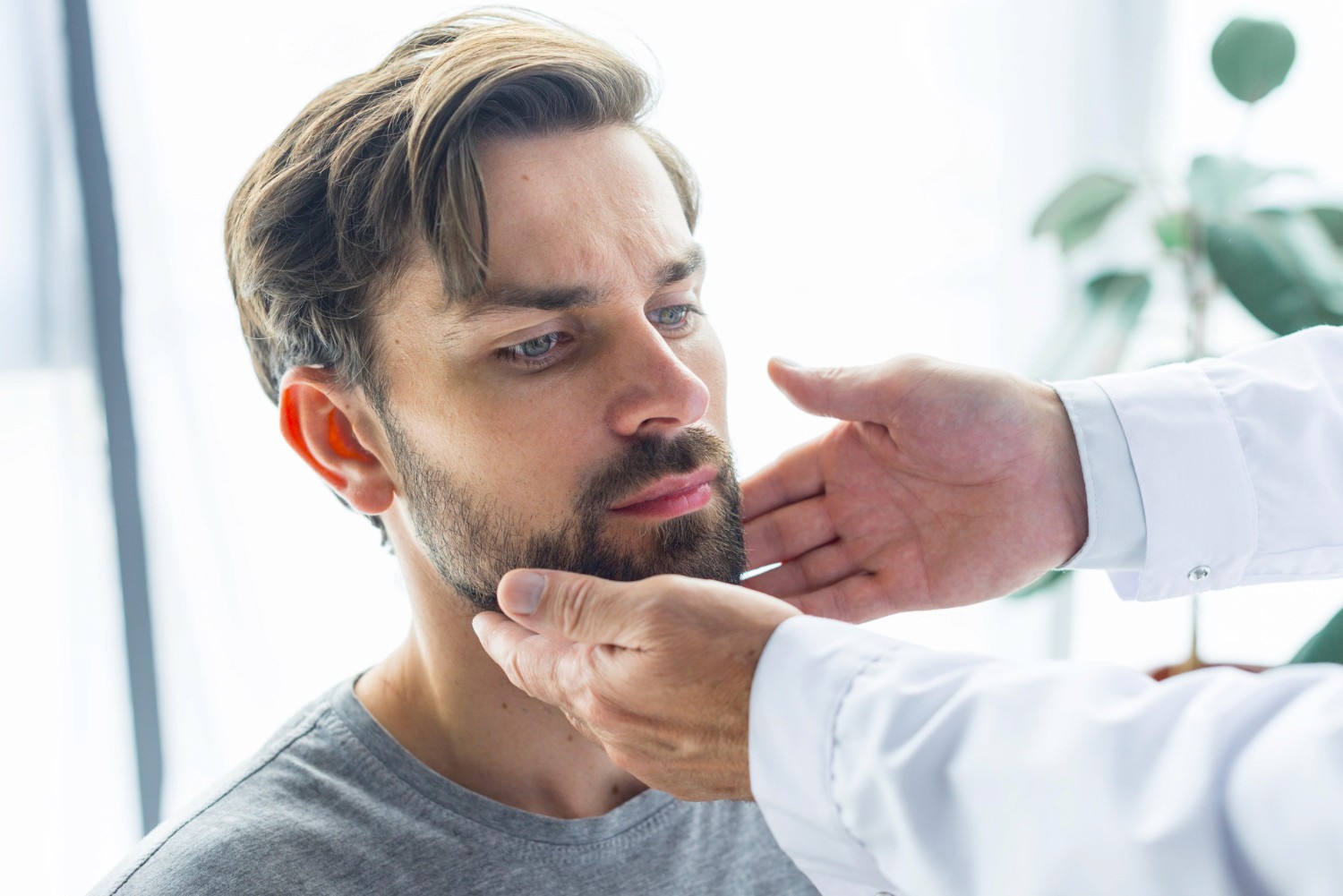
Medical Botox (Xeomin) in Irving for Migraine and Jaw Pain Relief
Learn how medical Botox in Irving using Xeomin may ease migraines and jaw pain with patient-centered, whole-person care and personalized treatment plans.
 Regenerative Medicine
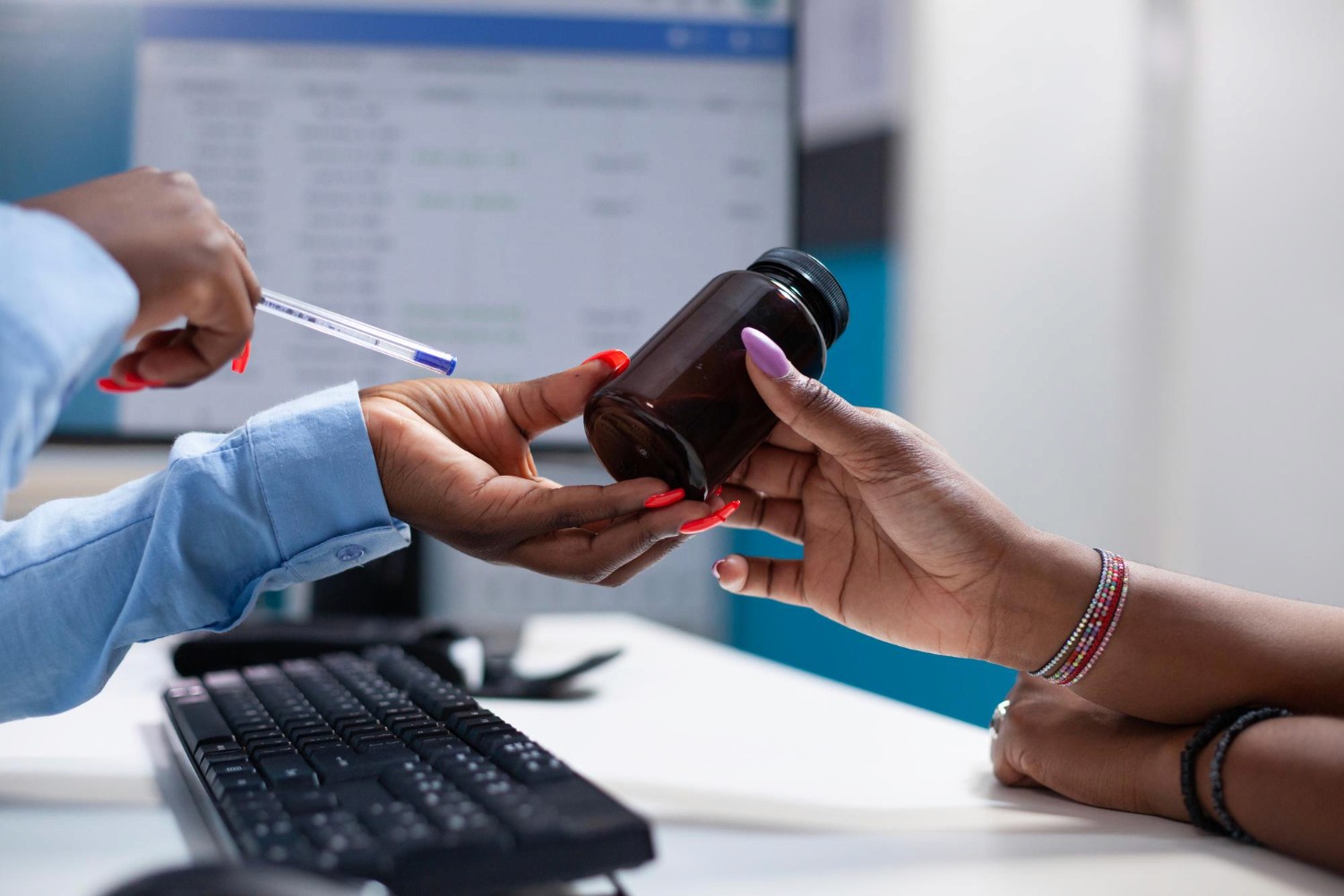
Making Sense of Medication Management in Irving Primary Care
Learn how medication management in Irving, TX supports safer dosing, fewer interactions, and better outcomes with patient-centered primary care support.


Ready to Start Feeling Like Yourself Again?


97 Reviews on Google