
Navigating Hormone Therapy in Irving Through Whole-Person Primary Care
Explore compassionate options for hormone therapy in Irving with whole-person primary care that integrates medical, mental health, and wellness support.
5 min read

Feeling a little “off” is common, especially when routines shift and stress rises. You may notice changes in energy, sleep, mood, or weight and wonder if it is hormones, stress, or both. You might even feel brushed off or told everything is “normal” when you know something is different in your body. You deserve more than that. You deserve to be heard, believed, and treated as a whole person, not just a lab result.
At our clinic, primary care, mental health, hormone support, and aesthetic services all live under one roof. We care for women, men, nonbinary patients, and LGBTQIA+ patients, including those seeking transitional HRT. Hormone therapy becomes a partnership focused on your long-term health and your everyday quality of life, not a quick prescription and a goodbye.
Understanding When Hormones May Be Out of Balance
Hormones shift many times across a lifetime. Puberty, pregnancy, and postpartum, perimenopause and menopause, and aging can all affect how you feel. Conditions like PCOS/PMOS, thyroid issues, irregular cycles, and low testosterone are also common reasons people ask about hormone therapy in Irving. Transitional HRT and gender affirmation are just as valid and important as any other hormone concern.
Some symptoms that may be tied to hormone changes include:
Hot flashes or night sweats
Brain fog or trouble focusing
Low libido or changes in sexual function
Mood swings, irritability, or feeling “on edge”
Sleep problems, from trouble falling asleep to waking often
Hair thinning or changes in skin texture
Hormones and mental health are closely linked. Shifts in hormones can show up as anxiety, depression, or a sense that your emotions do not match your usual self. It is also normal if your symptoms do not look like anyone else’s. Your experience is still real and worth exploring.
Looking at hormones through a whole-person lens matters. Stress, nutrition, movement, sleep, and existing medical conditions can magnify or mimic hormone concerns. A connected primary care team can help sort out what is hormonal, what might be lifestyle-related, and what may point to something else. We focus on listening and careful assessment first, not rushing to add or change medications.
What Whole-Person Hormone Care Looks Like
Your first hormone-focused visit is longer and more conversational than a standard quick checkup. We talk through:
Medical history and current medications
Menstrual or sexual health history, if relevant
Gender identity, pronouns, and personal goals
Mental health history and current supports
Daily routines, work, stress, and sleep patterns
We keep the space trauma-informed and judgment-free. Topics like sexuality, body image, or gender affirmation can be hard to bring up. Here, they are not just welcome, they are expected and respected. You are in control of what you share and at what pace.
When it comes to testing, we order labs that actually fit your story. This might include thyroid panels, sex hormones, metabolic markers, and others if needed. We do not send everyone for the same “hormone panel.” We look at patterns over time, how your numbers connect to your symptoms, and how they fit into the bigger picture of your health.
From there, we build a plan together. Options might include:
Changes in nutrition, sleep habits, or movement
Support for stress and mental health, including therapy or medication management, often through our mental health services
Non-hormone medications when appropriate
Hormone therapy, when it matches your goals and health needs
If gender-affirming care, surgery, or specialty support is part of your path, we can coordinate with other members of your care team so you do not feel like you are managing everything alone.
Types of Hormone Therapy and How They Fit Into Daily Life
Hormone therapy is not a set menu or “package.” It is a mix of tools we tailor to your body and goals. This can include:
Estrogen and progesterone support in perimenopause and menopause
Testosterone support when levels are low or symptoms fit
Thyroid management for both underactive and overactive thyroid patterns
Transitional HRT for gender affirmation
We consider your health history, other conditions, and comfort level to decide on dose, form, and timing. Safety, symptom relief, and long-term well-being stay at the center, not quick fixes or trends.
Your plan also has to work in real life. We think about work hours, caregiving, commute time, and travel. If your energy dips during certain seasons or around big life changes, we factor that in too. Mental health care often runs alongside hormone therapy, either through counseling, medication, or both. Some people also benefit from services like Medical Botox (Xeomin) for migraines or muscle tension when that fits the medical picture.
Follow-up and monitoring are built in. Early on, we may see you more often and repeat labs to see how your body is responding. We usually start low and adjust slowly, using both your symptoms and your lab results as guides. You always have the choice to pause, change, or stop therapy. Your plan shifts as your body and your goals change.
Choosing Hormone Therapy in Irving with Confidence
Finding the right provider for hormone therapy in Irving can feel overwhelming. It may help to look for:
A true primary care home, not just a hormone-only clinic
Experience with both midlife hormone care and transitional HRT
Clear, kind communication in an LGBTQIA+ affirming setting
Reasonable visit lengths and a team that remembers you as a person
Choosing a local primary care clinic means less travel and easier scheduling around life in the DFW area. At our Irving office, we focus on a calm, welcoming space where you can actually exhale. You are greeted like a person, not rushed through a checklist. We offer both in-person and, when possible, virtual follow-ups so ongoing care is more accessible.
If you are curious about our broader approach or want to see how hormone support fits in with primary care, you can explore our $clinic overview/$ and full list of $services/$. Understanding the full scope of care often helps people feel more grounded in their options.
When you are getting ready for a first hormone visit, it can help to jot down a few questions, such as:
What are all of my options, not just hormone therapy?
How often will I need follow-up visits and labs?
How will we measure progress together?
How do you adjust treatment if my goals change?
Insurance coverage for hormone care can vary between plans, and some people prefer to use self-pay. Learning how your specific plan works, or asking about current self-pay pricing ahead of time, can make the process feel clearer and less stressful.
Your Next Step Toward Feeling Like Yourself Again
Hormone health connects to the things that matter most to you, like having enough energy to enjoy time with family and friends, feeling focused at work, being more comfortable in your body, and living in a way that matches your gender identity. Even small improvements can change your daily life in real ways. It is never too late, and your symptoms are never too “minor,” to start this conversation.
Key Takeaways:
Hormone-related symptoms are common, but you do not have to ignore them. Whole-person primary care can help clarify what is going on.
Thoughtful hormone therapy in Irving should be personalized, LGBTQIA+ affirming, and fully integrated with your overall health plan.
Ongoing follow-up, mental health support, and guidance around daily habits can make hormone care feel steady, safe, and less lonely.
Rebalance Your Hormones And Restore Everyday Energy
If you are ready to address symptoms like fatigue, mood changes, or weight gain at the root, our team is here to help you explore personalized $hormone therapy in Irving/$. At Anchor Restorative Medicine, we take time to understand your health history and goals so we can create a plan that fits your life. Reach out today to ask questions, schedule a consultation, or discuss next steps through our $contact page/$.
Related Articles
 Aesthetic Wellness
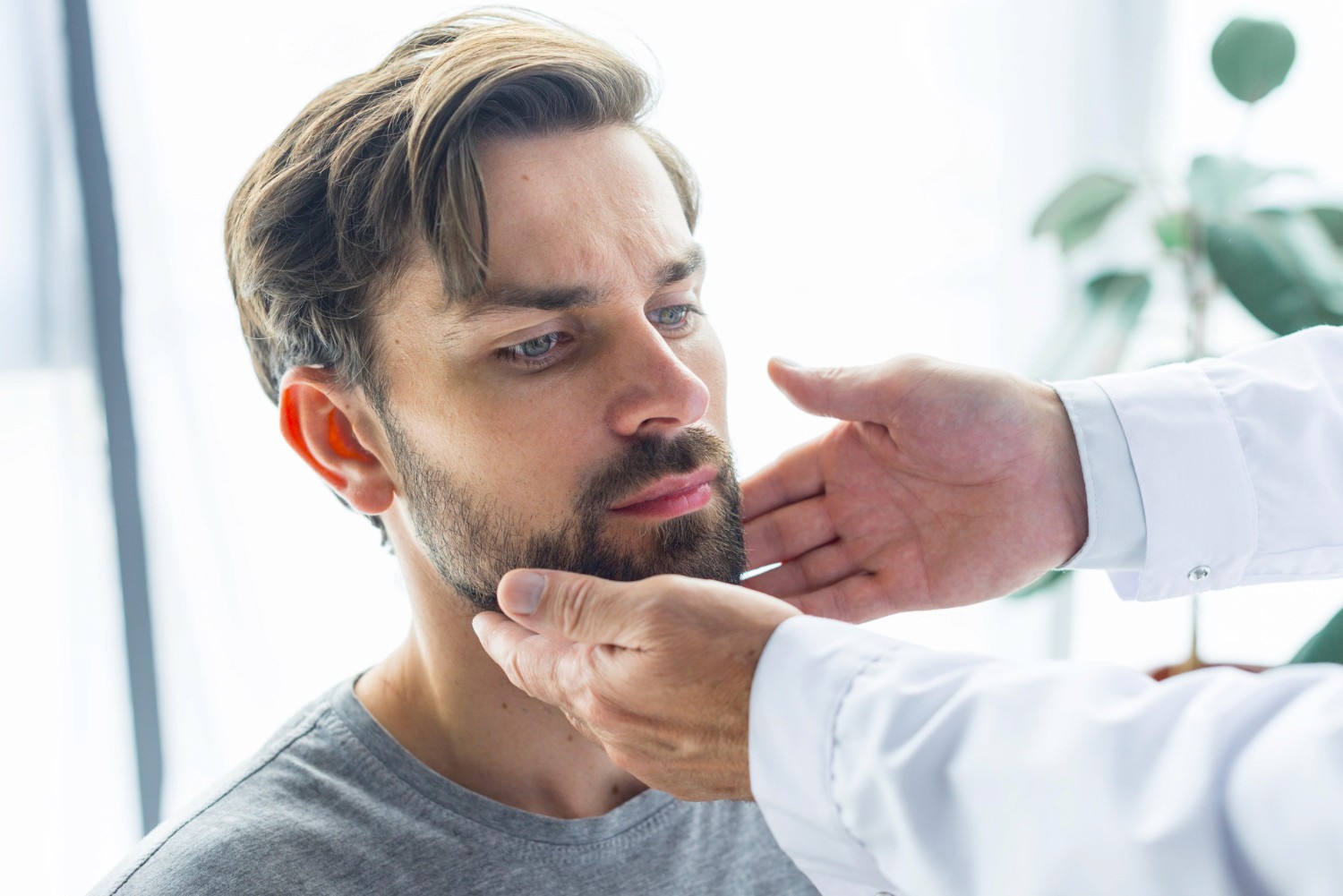
Medical Botox (Xeomin) in Irving for Migraine and Jaw Pain Relief
Learn how medical Botox in Irving using Xeomin may ease migraines and jaw pain with patient-centered, whole-person care and personalized treatment plans.
 Regenerative Medicine
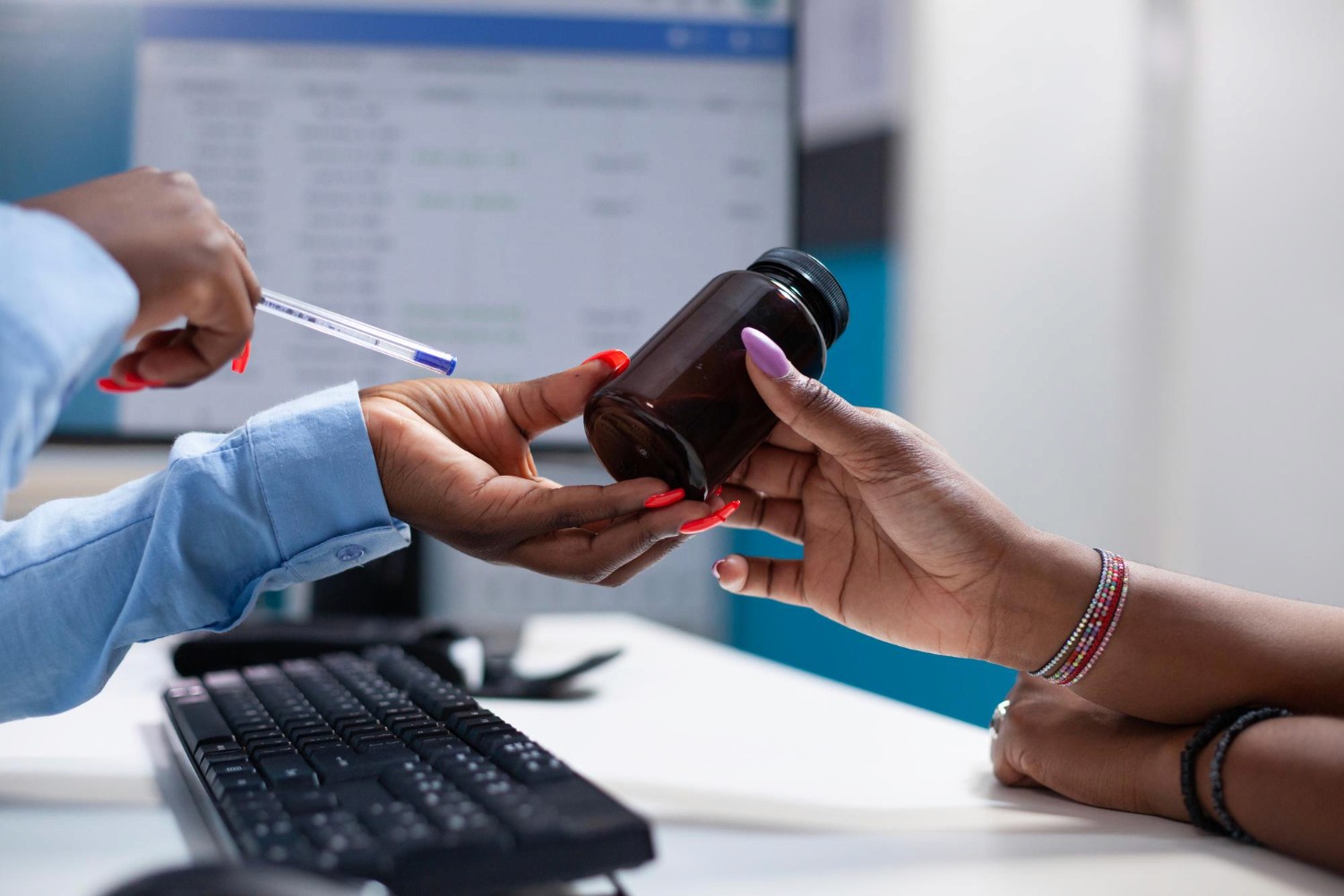
Making Sense of Medication Management in Irving Primary Care
Learn how medication management in Irving, TX supports safer dosing, fewer interactions, and better outcomes with patient-centered primary care support.


Ready to Start Feeling Like Yourself Again?


97 Reviews on Google