
Restylane and Dermal Fillers: Questions to Ask Before Treatment
Restylane is a brand of dermal filler; product types and approved uses vary. Fillers are medical devices, not risk-free beauty products. FDA identifies uncommon but serious risks including accidental injection into a blood vessel, which can cause tissue injury, vision problems, or stroke. Choose a qualified licensed provider and discuss product, risks, alternatives, and emergency plans.
6 min read · By Anchor Restorative Medicine · Not reviewed

Key points
- Restylane is a brand of dermal filler; product types and approved uses vary. Fillers are medical devices, not risk-free beauty products. FDA identifies uncommon but serious risks including accidental injection into a blood vessel, which can cause tissue injury, vision problems, or stroke. Choose a qualified licensed provider and discuss product, risks, alternatives, and emergency plans.
Dermal fillers are injectable medical devices used for selected cosmetic purposes. Restylane is a brand with different products, and authorized uses depend on the specific product and treatment are
- Ask the provider which exact product is proposed, whether it is FDA-approved for that area and purpose, and what result is realistic. The words “filler” or “Restylane” alone do not identify a formulat
Take time to consider the information after the visit. If you feel rushed or cannot get clear answers, seek another qualified opinion. For detailed current safety information, read the FDA resource
Dermal fillers are injectable medical devices used for selected cosmetic purposes. Restylane is a brand with different products, and authorized uses depend on the specific product and treatment area. Marketing photos can make treatment seem simple, but injections involve medical judgment and potential complications. A careful consultation should explain what is being proposed, why, and what alternatives are available.
The U.S. Food and Drug Administration provides an overview of dermal filler uses and risks. The FDA cautions that filler injections can result in serious harm, including rare accidental injection into a blood vessel. This is why provider qualifications, product traceability, and a plan for urgent complications matter.
Ask the provider which exact product is proposed, whether it is FDA-approved for that area and purpose, and what result is realistic. The words “filler” or “Restylane” alone do not identify a formulation or indication. Request that the product packaging and labeling be reviewed with you. Avoid do-it-yourself injections, products sold directly to consumers, or injections in nonmedical settings. The person injecting should be trained to recognize and manage complications.A consultation should include your goals, medical history, allergies, prior fillers or facial procedures, medications, and relevant health conditions. Share past reactions, bleeding concerns, active skin problems, and pregnancy or breastfeeding status. The provider can determine whether treatment should be postponed or avoided. Ask whether photographs are taken, how records are kept, and who you can reach after treatment.Common temporary effects may include bruising, redness, swelling, tenderness, or lumps. Serious complications, though uncommon, may include infection, tissue injury, or vision changes if product enters a blood vessel. Ask how the practice would respond to a suspected complication and where urgent evaluation is available. Severe pain, skin color changes, sudden vision changes, weakness, or other acute symptoms after injection warrant immediate medical attention.Good aesthetic care includes discussing the option of no treatment. Ask what non-injectable alternatives exist, how long effects might last for the specific product and area, and what follow-up or touch-up policies apply. No one should promise a precise result or pressure you to decide immediately. A conservative plan may be preferable, especially if this is your first treatment.Check credentials through relevant licensing authorities and ask about the injector’s training and experience with the specific product and anatomical area. Confirm the treatment occurs in an appropriate clinical setting, that the product is from a legitimate supply chain, and that the provider can explain emergency procedures. Be cautious of deep discounts, vague product descriptions, and claims that complications cannot happen.Anchor lists Restylane and dermal fillers among its aesthetic services. Contact the practice to confirm which products and indications are currently offered and who performs treatment. The goal of a consultation is informed choice: you should understand expected benefits, uncertainties, risks, costs and alternatives before proceeding.Take time to consider the information after the visit. If you feel rushed or cannot get clear answers, seek another qualified opinion. For detailed current safety information, read the FDA resource linked above and discuss questions with a licensed healthcare professional.
Consent and realistic expectations
Consent should be informed and voluntary. You should have time to review written information, ask questions, and decline or postpone without pressure. A provider should explain where injections will be placed and why, what temporary effects are common, what less common but serious risks exist, and what alternatives could meet the same goal.
Before-and-after photographs are not guarantees: lighting, expression, camera angle, and timing can change how images appear. Ask what outcome is plausible for your own anatomy and whether the proposed treatment is within the product’s authorized use. Your preferences matter, including choosing a subtle result or no injection.
Aftercare and follow-up
Follow the injector’s written aftercare instructions and keep contact information accessible. Ask what degree of swelling or bruising is expected and how long it may last. Do not massage or apply products to an area unless the treating professional recommends it. If something feels unusual or worsens, reach out rather than waiting for an online answer.
For urgent symptoms, use emergency services. In particular, sudden vision symptoms or severe pain after facial injection need immediate attention. Ask in advance who manages complications after hours and whether the clinic has a clear escalation pathway. A qualified injector should not minimize these possibilities.
For general preparation guidance, see MedlinePlus information on preparing for a medical visit.
Sources
Explore our services, learn about annual physicals, or review weight management care as relevant to your questions.
Ready to talk with our team?
To discuss your questions and whether a consultation may be appropriate, contact Anchor Restorative Medicine. You can also review birth control care and women’s health services.
This article is for general education and is not medical advice. Results vary from person to person, and no outcome is guaranteed. Talk with a qualified clinician about your own situation.
Related Articles
 Aesthetic Wellness
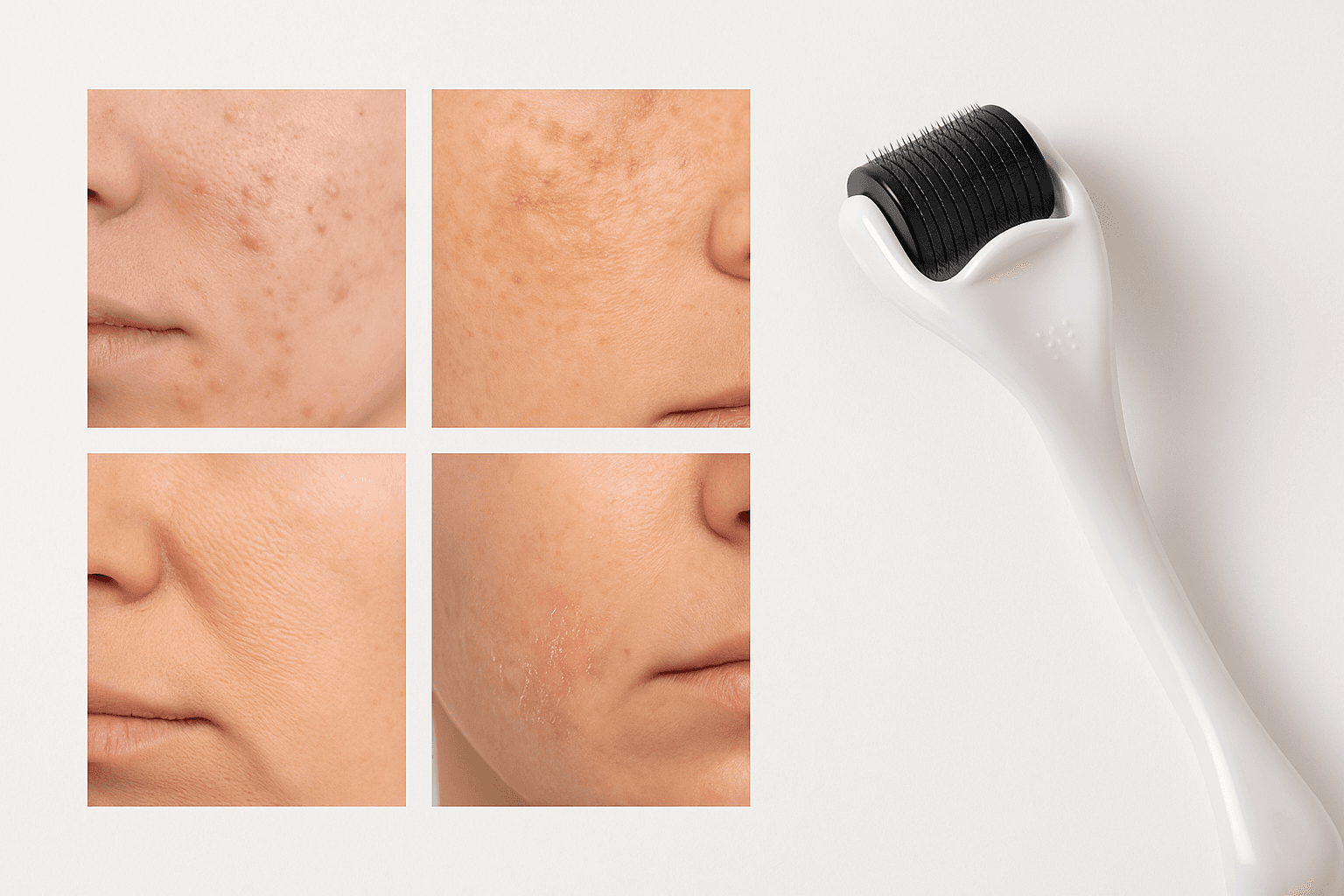
Skin Conditions Treated by Microneedling: What Works and What to Expect
Step-by-step scanning technique for restorative cases, margin capture checks, bite registration, refinements, and a clean lab-ready handoff.
 Aesthetic Wellness
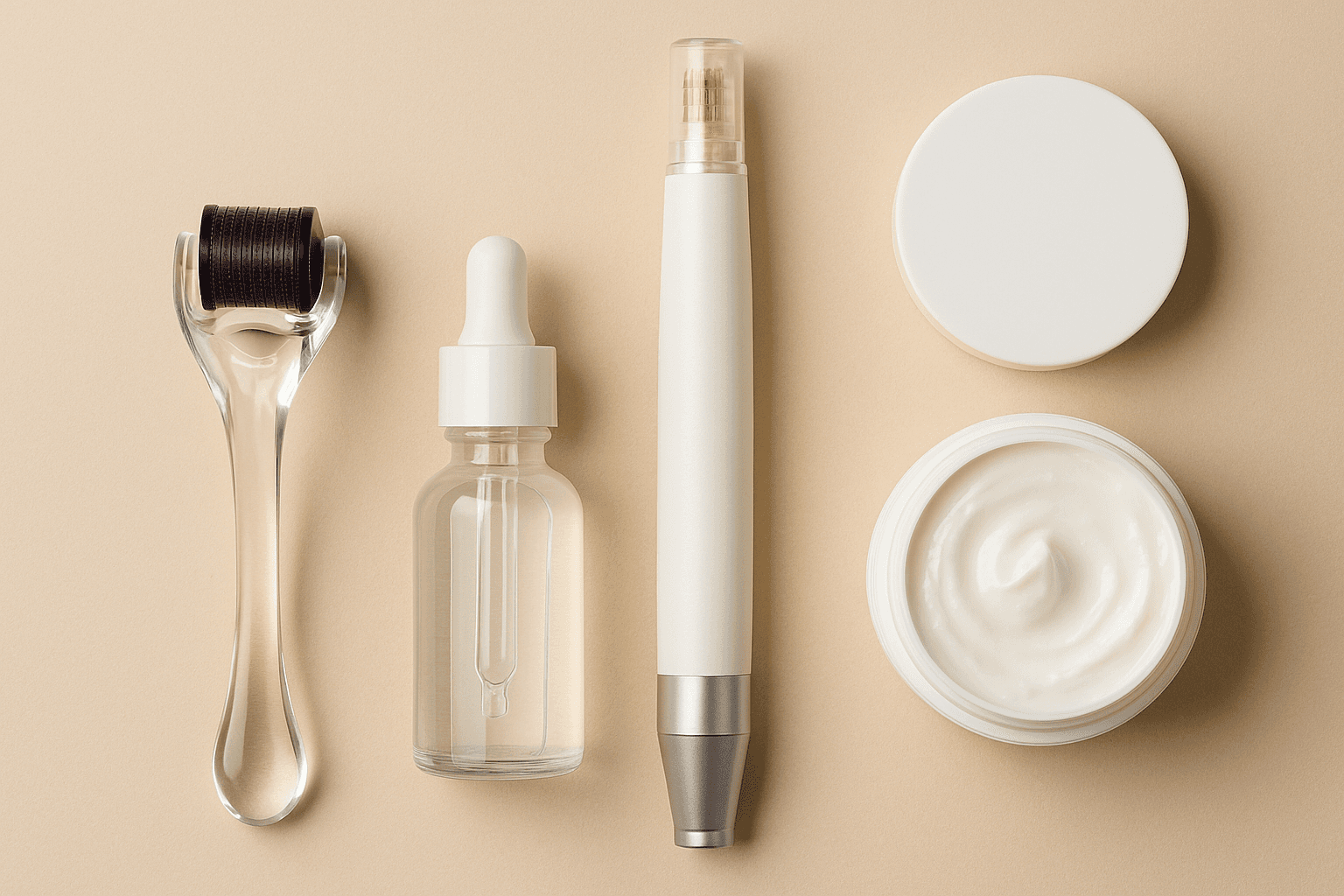
Best Microneedling Products: At-Home Tools, Serums, and Aftercare for Smoother Skin
Discover how to choose the best microneedling tools, serums, and aftercare products to safely improve skin texture, tone, and overall results.


Ready to Start Feeling Like Yourself Again?


113 Reviews on Google